We don't just plan trips — we live them.
Tourism License: 2386/074
Dipak Sapkota
Need help? Give us a call.
Plan Your Trip
Book Now
Price from
US$1250

Manaslu Circuit Trek

481 reviews
86 reviews
526 reviews

On the Manaslu Circuit trek, you leave the popular trails behind and follow the quieter paths below towering mountains of the north-central Himalayan range. 

The Manaslu Circuit is an untouched, pristine trekking region that offers authentic Himalayan experiences and explores the remotest corners of the Himalayas.

You will witness jaw-dropping views of Mt. Manaslu on this trek. It is the 8th-highest mountain in the world. Likewise, the trek offers breathtaking landscapes and many other stunning mountain vistas.

Duration
13 Days
Trip Grade
Strenuous
Country
Nepal
Maximum Altitude
5,106 m/16,752 ft
Starts
Kathmandu
Ends
Kathmandu
Group Size
1-8+
Activities
Trekking
Best Time
March to May and September to November

Highlights

  • A less crowded, adventurous trek in the north-central Himalayas of Nepal
  • Trek around Mount Manaslu, the 8th-highest mountain in the world
  • Perfect for trekkers looking for an authentic, untouched Himalayan experience
  • Enjoy offbeat trekking across varying climatic zones 
  • The trails constantly ascend and descend through terraces, lush forests, alpine meadows, and glacier moraines
  • Go on existing side hikes to Pun Gyen Gompa, Birendra Lake, Manalsu Base Camp, and Rui La Pass
  • Get to know the rich Tibetan Buddhist heritage of the locals of the Manaslu region
  • Explore stunning waterfalls, rivers, and streams along the way
  • Cross numerous suspension bridges
  • Cross the challenging Larkya La Pass
  • Witness diverse landscapes and jaw-dropping mountain views of Manaslu, Himlung Himal, Himalchuli, Annapurna II, Sringi Himal, Naike Peak, etc
  • A most satisfying and fulfilling trek in Nepal

Manaslu Circuit trek introduction

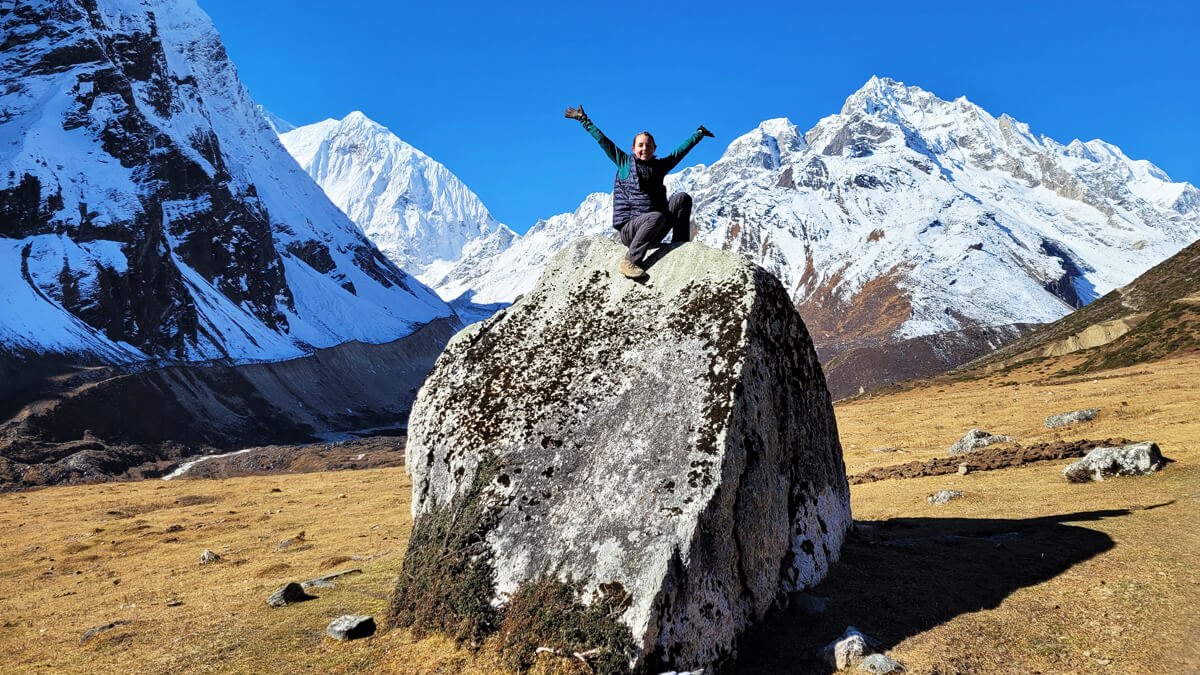
The Manaslu Circuit trek is an adventurous journey around Mount Manaslu (8,163 m/26,781 ft), the eighth-tallest mountain in the world. The trek combines high-altitude walking through varying altitudes, terrain, and climate zones.

On the Manaslu Circuit trek, you will witness stunning mountain scenery and explore the rich Tibetan Buddhism cultural heritage of the locals. The trek takes you deep into the region, near the Tibet border.

You will go on exciting side hikes to Pun Gyen Gompa, Birendra Lake, Manaslu Base Camp, and Rui La Pass. The trail crosses beautiful waterfalls and many suspension bridges over the Budhi Gandaki River.

Unlike the famous treks in Nepal such as Everest Base Camp and Annapurna Base Camp, the Manaslu Circuit trek is tougher and offers a special sense of isolation.

Similarly, the Manaslu Circuit trek is also considered a less busy and less commercialized alternative to the popular Annapurna Circuit trek. In fact, most trekkers also combine the Manaslu Circuit trek with the Annapurna Circuit.
Manaslu Circuit trek history, distance, and interesting details

The Manaslu Circuit trek was a long-prohibited part of Nepal for foreigners. The trek route was first opened in 1991 for foreigners. Before that, it remained a popular salt trade route between Nepal and Tibet.

An expensive restricted area permit and necessary camping requirements kept trekkers away from this region for a very long time. Although you can do the Manaslu Circuit trek in teahouse style now, still fewer trekkers visit this region compared to Everest and Annapurna.

The Manaslu Circuit trek distance is approximately 165 kilometers. You will walk 6 hours a day on average and cover this distance in 11 days of trekking.

The restricted area begins from Jagat village onwards and continues till Larkya La Pass. Larkya La Pass is the most challenging section of this trek. It is a high mountain pass standing at 5,106 meters above sea level.

Where do you start the Manaslu Circuit trek?

Your Manaslu Circuit trek adventure begins in Kathmandu, the capital of Nepal. Our team will welcome you in this vibrant city.

Although our 13-day Manaslu Circuit trek itinerary does not include arrival and departure from Kathmandu, you have the option to include them, making the trip 15 days long. Additional charges apply accordingly.

Spend your arrival evening exploring the bustling streets of Thamel, where you can buy trekking gear, clothes, and all essentials. You can also rent gear like sleeping bags, down jackets, trekking poles, etc.

From Kathmandu, you will travel to Machha Khola on a local bus. It will be an adventurous and scenic ride. You will experience the famous bumpy mountain roads. The trek starts from Machha Khola.

New roads have been built till Jagat. So, you have the option to start the Manaslu Circuit trek from Jagat instead of Machha Khola.

From here, you will ascend to Jagat, trekking through small villages and terraced fields. Jagat is a beautiful village with 10-12 teahouses and excellent service.

Jagat onwards, you will enter the restricted area. We will register the permits at the police checkpost and keep them safe, as there are multiple checkpoints throughout the trail.

From Jagat, you will gradually ascend, spending nights in Deng and Namrung villages. On the way, explore cascading waterfalls, stupas, prayer flags, and lovely small settlements.

On the way to Namrung, you will enter the Nubri Valley. It is the upper part of the Manaslu region, home to the indigenous Nubri community. The trail then continues crossing landslide- and rockfall-prone areas to Shyala village and Sama Gaon.

Visit the ancient Pun Gyen Gompa while trekking from Shyala to Sama Gaon. It will be a detour. You will take your first acclimatization break in Sama Gaon and hike to Manaslu Base Camp via Birendra Lake.

Finally, you will ascend to Samdo village, a Tibetan refugee village. Spend the second acclimatization day here and hike to Rui La Pass (the ancient salt trade route). Further, you will spend a night at Larke Phedi (also known as Dharmasala) and cross the Larkya La Pass.

From the pass, descend to Bimtang and continue to Tilije, where the Manaslu Circuit trek ends. In Tilije, you will hop on a mountain jeep and drive to Besisahar. The following day, drive back to Kathmandu in a comfortable tourist bus.
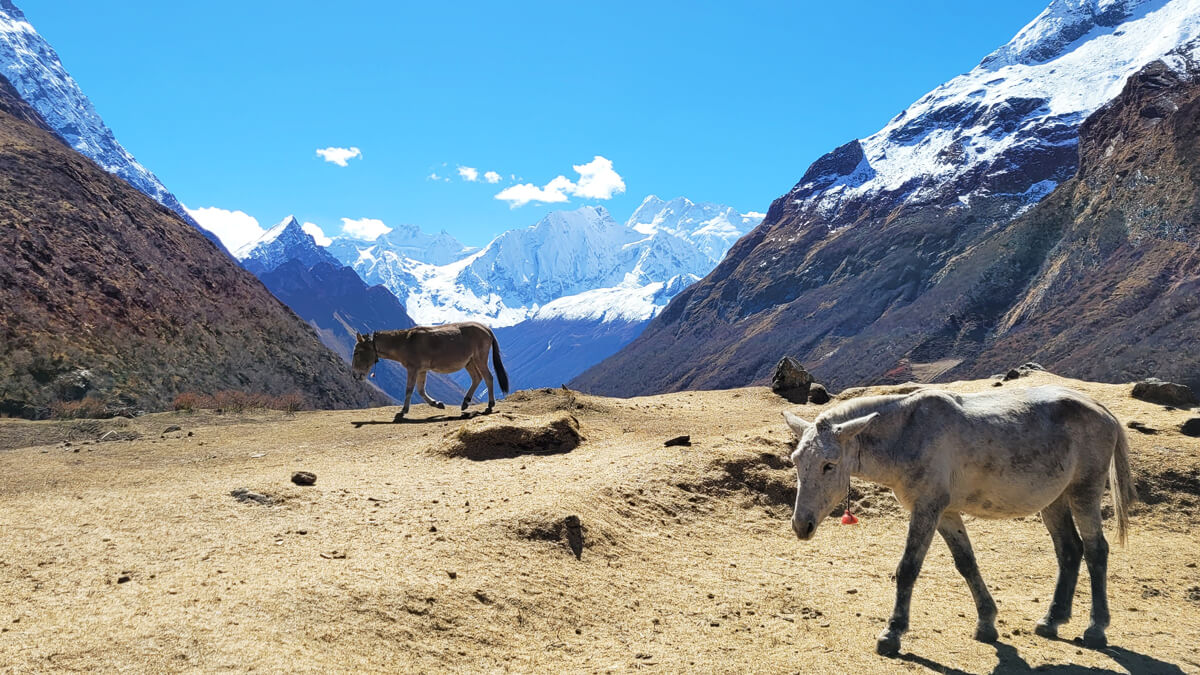
Major attractions of the Manaslu Circuit trek

There are many things to explore and discover on the Manaslu Circuit trek. We have shared the major attractions of this trek below:

Mount Manaslu (8,163 m):

Mount Manaslu is the eighth-highest mountain in the world. It is referred to as the Mountain of the Spirit. Manaslu is a stunning giant mountain that will take your breath away with its massiveness.

You will enjoy a view of this mountain throughout the Manaslu Circuit trek and also reach its base camp, Manaslu Base Camp.

Larkya La Pass (5,106 m):

Larkya La Pass is the highest point on the Manaslu Circuit trek. You will cross this pass to end the trek, and crossing it is very demanding.

The trail descends through steep, unclear paths and crosses glacier moraines to reach the top of the pass. After a challenging hike to the top of the pass, you will enjoy the most excellent mountain views.

Manaslu Conservation Area

The Manaslu Circuit trek route is inside the Manaslu Conservation Area. It is a protected area that covers more than 1,600 square kilometers of the diverse Himalayan ecosystem.

During the trek, you will walk through dense rhododendron forests, pine and fir forests, bamboo groves, alpine meadows, and glacier moraines, exploring a wide range of biodiversity.

Traditional mountain villages

Many villages on the Manaslu Circuit trek are old-style with stone houses, stupas, chortens, terraces, etc. The architecture will be quite fascinating. You will see locals' unique way of living and their culture while exploring these villages.

Pun Gyen Gompa

It is a sacred Tibetan Buddhist monastery at 4,700 meters above sea level. Pun Gyen Gompa is one of the major monasteries for the Nubri community in the Manaslu region.

Birendra Lake

Birendra Lake is a freshwater lake situated at 3,691 meters above sea level. You will come across it while hiking to Manaslu Base Camp. It is one of the hidden, isolated alpine lakes in Nepal that only a few trekkers get to witness.

Rui La Pass (4,998 m)

Most trekkers who do the Manaslu Circuit trek miss hiking to Rui La Pass from Samdo village. It is an ancient salt trade route between Nepal and Tibet.

By hiking to the Rui La Pass, you will get closer to the Tibetan border. The hike will be challenging but quite rewarding.
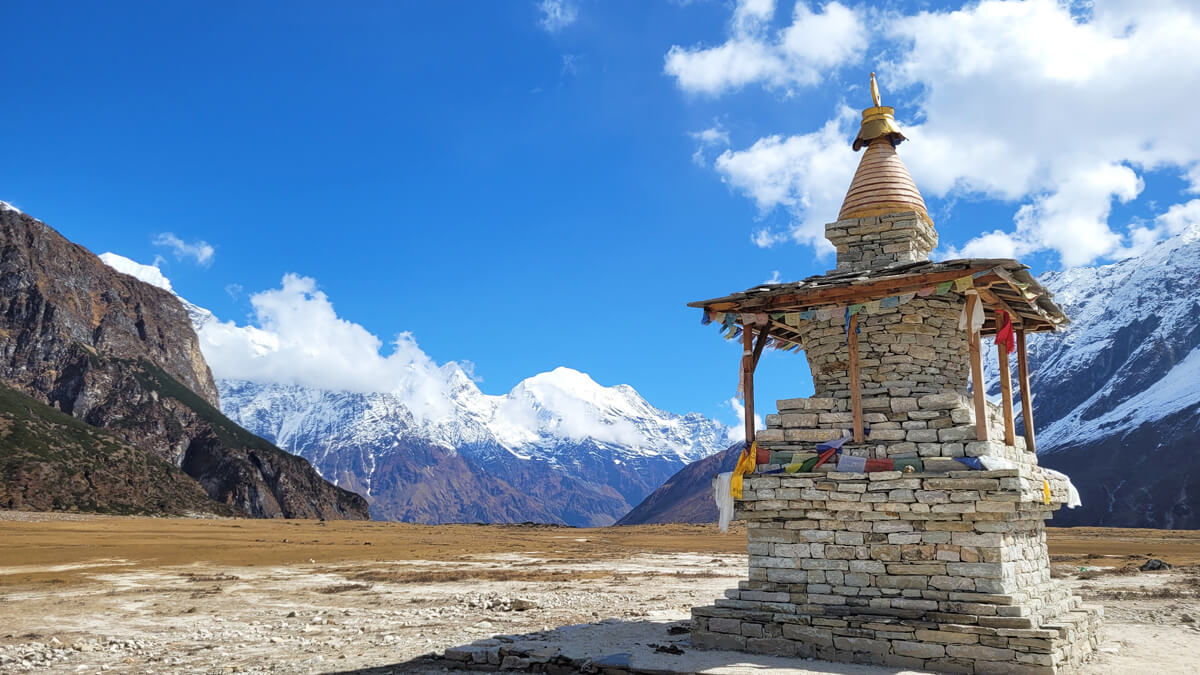
Tibetan Buddhist culture

In the depths of the Manaslu region, the centuries-old Tibetan Buddhist culture thrives. Locals follow their ancient culture, traditions, and values.

There are stupas, mani walls, prayer wheels, monasteries, and prayer flags all over the trail. The region also has pilgrimage sites such as Serang Gumpa and Mo Gompa in the most isolated parts of the region.

Suspension bridges over Budhi Gandaki River and deep gorges

Throughout the Manaslu Circuit trek, you will cross many suspension bridges over the Budhi Gandaki River and deep gorges. Likewise, you will explore many stunning waterfalls and rivers, which add to the trail excitement.

Diverse landscapes and jaw-dropping mountain vistas

On the Manaslu Circuit trek, you will trek from 870 meters to 5,106 meters in just 10 days. Imagine the diversity in scenery you will witness while trekking on these varying elevations.

Similarly, you will see many other mountains apart from Manaslu on this trek. The trail is surrounded by Ganesh Himal, Himalchuli, Himlung Himal, Cheo Himal, Kang Guru, Annapurna II, Ngadi Chuli, Naike Peak, etc.

Peaceful and less crowded trails

Trekkers love the peace and seclusion the Manaslu Circuit trek offers. Even during the peak trekking seasons, you will have a tranquil journey. You will enjoy full attention from the locals and have the views to yourself.  

Authentic Himalayan adventure:

One of the most attractive things about the Manaslu Circuit trek is the authentic Himalayan experience it offers. Untouched by mass tourism and commercialization, trekkers can experience authentic mountain trekking and lifestyle.

Manaslu Circuit trek preparation and tips

The better you are prepared for the Manaslu Circuit trek 13 days, the better your experience will be. Before starting the trek, do the following things to trek with confidence and make the most out of this incredible journey:

➤ Book your trek at least 8 to 12 weeks before you want to start it: Although we accept last-minute Manaslu Circuit trek bookings, we recommend trekkers book the trek early. It allows you to do some preparation and not start the trek in a rush.

➤ Improve your physical fitness: If you are not an active person, start exercising. Focus on improving your stamina, endurance, and strength. Likewise, build a long walking habit with a 5 kg backpack.

➤ Mental preparation: The physical challenges make the journey mentally challenging, too. Prepare your mind for long hiking days, cold weather, limited services, and remote mountain conditions.

➤ Kathmandu flight tickets: International flights to and from Kathmandu are not included in our Manaslu Circuit trek cost. Trekkers have to bear it themselves. For the best flight ticket rate, book your seat early.

➤ Break into your trekking boots: It is not smart to wear brand new pairs of trekking boots while hiking. It gives you blisters. So, get your trekking boots early and get used to them.

➤ Pack for the trek: If you do not trek regularly, then you might have to arrange a lot of trekking clothes, gear, and other essentials. If you have time, you will not miss anything.

Is the Manaslu Circuit trek 13 days suitable for you?

The Manaslu Circuit trek is an ideal choice for trekkers seeking challenging and remote adventure in the Himalayas. This trek has exceptional mountain panoramas and landscapes, but it comes at the cost of tough hiking.

The Manaslu Circuit trek is best for experienced trekkers with good fitness. Beginner trekkers may join this trek if they are fit and confident about their abilities in the remote area.
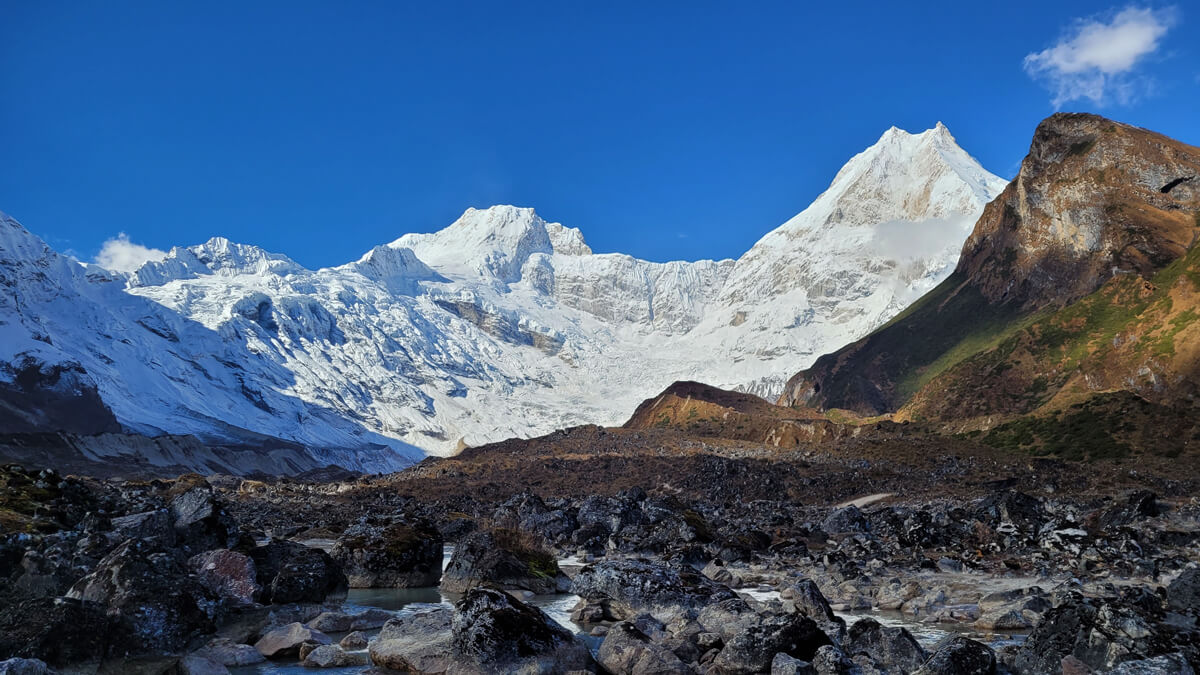
You do not need to be an athlete to do the Manaslu Circuit trek in 13 days, but you should be comfortable with:

  • Long hours of hiking
  • Consecutive days of physical exertion
  • Limited facilities
  • Walking uphill and downhill
  • High altitude
  • Cold weather

The Manaslu Circuit trek is perfect for:

  • Adventure lovers
  • Trekkers who want to challenge themselves
  • Trekkers looking for an authentic Himalayan experience
  • Anyone looking for less crowded trails and isolation
  • A true wilderness experience

Why trek with us?

We make the Manaslu Circuit trek safe, hassle-free, and memorable with our service and expertise. Our Manaslu Circuit trek itinerary is customizable. Similarly, you get to trek with the finest mountain guides by joining us.

We handle everything regarding the Manaslu Circuit trek, including permits, transportation, accommodation, food, etc. You do not have to worry about anything. Our guide will show you the trails and introduce you to the locals and the region.

Likewise, our porters will carry your heavy duffel bags, which allows you to walk freely and enjoy the trek to the fullest. You also get many other benefits by doing the Manaslu Circuit trek with us, such as: 

  • Price transparency
  • Genuine Manaslu Circuit trek cost
  • Comprehensive service and support
  • Expert, licensed mountain guide and porter
  • Complimentary airport pick-up and drop-off as per the itinerary
  • Personalization option
  • Group trek and private trek option
  • Hassle-free permit arrangement
  • Quality accommodation and transportation
  • Flexible booking, early reservations, and last-minute bookings
  • Responsible and sustainable tourism practice

Outlined itinerary

Day 1: Drive from Kathmandu to Machha Khola (870 m/2,854 ft)

Day 2: Trek from Machha Khola to Jagat (1,410 m/4,625 ft)

Day 3: Trek from Jagat to Deng (1,804 m/5,917 ft)

Day 4: Trek from Deng to Namrung (2,630 m/8,626 ft)

Day 5: Trek from Namrung to Shyala village (3,500 m/11,483 ft)

Day 6: Trek from Shyala to Sama Gaon (3,530 m/11,581 ft) via Pun Gyen Gompa (monastery) (4,700 m/15,420 ft)

Day 7: Acclimatization day in Sama Gaon - hike to Manaslu Base Camp (4,800 m/15,748 ft) and explore Birendra Lake (3,691 m/12,109 ft) on the way

Day 8: Trek from Sama Gaon to Samdo (3,875 m/12,713 ft)

Day 9: Acclimatization day in Samdo - hike to Rui La Pass (Tibetan border) (4,998 m/16,397ft)

Day 10: Trek from Samdo to Larke Phedi (Dharmasala) (4,480 m/14,698 ft)

Day 11: Trek from Larke Phedi to Larkya La Pass (5,106 m/16,752 ft) and descend to Bimtang (3,720 m/12,205 ft)

Day 12: Trek from Bimtang to Tilije (2,300 m/7,546 ft) and drive to Besisahar (760 m/2,493 ft)

Day 13: Drive from Besisahar to Kathmandu (1,324 m/4,344 ft)

19% OFF
Price Per Person
US$1250
US$1550
  • 1 paxUS$1380
  • 2 - 4 paxUS$1320
  • 5 - 8 paxUS$1280
  • 9 - 20 paxUS$1250
Speak to a Travel Expert

Manaslu Circuit Trek Detailed Itinerary

Day 1

Drive from Kathmandu to Machha Khola (870 m/2,854 ft)

You will leave Kathmandu early in the morning and embark on a long, scenic ride to Machha Khola with our team. The road goes through Dhading Besi, Arughat, and Soti Khola.

You will follow a smooth, paved road along winding hills to Dhading Besi for the first 4 to 5 hours of the drive. From Dhading Besi, the road becomes gravel until Arughat Bazaar.

Finally, you will enter rugged, bumpy off-road terrain as you drive from Arughat to Machha Khola via Soti Khola. The road goes alongside the Budhi Gandaki River, offering beautiful scenery.

Max Altitude: 870m (2,854ft)
Duration: 7-8 hours
Distance: 160 km/99 miles
Meals: Breakfast, lunch, and dinner
Accommodation: Teahouse
Mode of Transportation: Local bus
Day 2

Trek from Machha Khola to Jagat (1,410 m/4,625 ft)

You will start trekking today. Have a warm breakfast in Machha Khola and get ready for the first day of the hike. The first two hours of trail go through terraced fields, small streams, and sal forests.

You will reach Khorlabesi. From here, a short 30-minute hike will bring you to Tatopani. There are natural hot springs in Tatopani. We can take a 3-minute break here to enjoy the natural hot springs if you are interested.

Continuing the trek from Tatopani, you will ascend for another 1.5 hours, crossing several suspension bridges on the way to Dobhan. Finally, from Dobhan, hike following a steep trail to Jagat.

Max Altitude: 1,410m (4,625ft)
Duration: 6 hours
Distance: 22.2 km/13.7 miles
Meals: Breakfast, lunch, and dinner
Accommodation: Tea House
Day 3

Trek from Jagat to Deng (1,804 m/5,917 ft)

The trail ascends via stone staircases and descends to a suspension bridge over the Budhi Gandaki River to reach Salleri village. From here, as you ascend to Sirdibas, you will begin to see signs of Tibetan Buddhism.

There will be traditional stone houses, mani walls, and prayer flags on the way. Leaving Sirdibas, you will gradually ascend to Philim and follow narrow gorge paths and walk through pine forests to Ekle Bhatti.

You can see beautiful waterfalls on the way. Finally, cross numerous suspension bridges and hike through a forest of pine and bamboo before arriving at Deng.

Max Altitude: 1,804m (5,918ft)
Duration: 7 hours
Distance: 19.9 km/12.3 miles
Meals: Breakfast, lunch, and dinner
Accommodation: Teahouse
Day 4

Trek from Deng to Namrung (2,630 m/8,626 ft)

While trekking from Deng to Namrung, you will walk through forests of rhododendron, fir, pine, and bamboo and pass steep stone stairs, narrow cliffsides, and winding river gorges. Crossing the Budhi Gandaki River, you will ascend to Bihi Phedi.

From here, you will follow a lovely trail spread with mani stones and prayer wheels. Reach Ghap villages and ascend to Namrung, enjoying stunning views of Siringi Himal on the way.

Max Altitude: 2,630m (8,628ft)
Duration: 6 hours
Distance: 19.5 km/12.1 miles
Meals: Breakfast, lunch, and dinner
Accommodation: Teahouse
Day 5

Trek from Namrung to Shyala village (3,500 m/11,483 ft)

As usual, start the day early with a big breakfast and get ready for the next village. Leaving Namrung, you will pass by a local checkpost. The trail continues through pine forest to Lihi village.

Here, you will explore an old monastery. From here, the trail goes past barley terraces and stone houses to Sho village. Then, you will hike to Lho village and finally ascend to the wide, open valley of Shyala.

Max Altitude: 3,500m (11,482ft)
Duration: 5 Hours
Distance: 11 km/6.8 miles
Meals: Breakfast, lunch, and dinner
Accommodation: Teahouse
Day 6

Trek from Shyala to Sama Gaon (3,530 m/11,581 ft) via Pun Gyen Gompa (monastery) (4,700 m/15,420 ft)

While trekking from Shyala to Sama Gaon, you will witness breathtaking views of mountains such as Manaslu, Himalchuli, Ngadi Chuli, Ganesh Himal, and others.

Before continuing the trek to Sama Gaon, you will take a detour to Pun Gyen Gompa. It is an ancient monastery located beneath the east face of Mt. Manaslu at 4,700 meters.

It will be an incredible hike with outstanding mountain landscapes. After the hike, you will trek to Sama Gaon, one of the biggest villages on the Upper Manaslu Circuit trail.

Max Altitude: 3,530m (11,581ft)
Duration: 4-5 hours
Distance: 17 km/10.5 miles
Meals: Breakfast, lunch, and dinner
Accommodation: Teahouse
Day 7

Acclimatization day in Sama Gaon - hike to Manaslu Base Camp (4,800 m) and explore Birendra Lake (3,691 m) on the way

Today is your first acclimatization day. It is a rest day crucial to avoid altitude sickness as you ascend to Larkya La Pass. In the morning, you will hike to Manaslu Base Camp.

In around 1.5 to 2 hours of walking, you will reach Birendra Lake. It is one of the isolated alpine lakes in Nepal situated at 3,691 meters. From here, you will trek past glacial moraines and cross a steep, vertical path to reach Manaslu Base Camp at 4,800 meters.

You will enjoy a close-up view of the north face of Mt. Manaslu from its base camp. There are only glaciers and towering peaks surrounding the base camp. Enjoy the view and later follow the same trail back to Sama Gaon to spend the remaining day resting and recovering.

Max Altitude: 4,800m (15,748ft)
Duration: 4-5 hours
Meals: Breakfast, lunch, and dinner
Accommodation: Teahouse
Day 8

Trek from Sama Gaon to Samdo (3,875 m/12,713 ft)

After a full day of rest in Sama Gaon, you will continue the trek to Samdo village. It is a Tibetan refugee village. The trail ascends past farming fields and crosses the Budhi Gandaki River via a wooden bridge before a short climb to Samdo.

On the way, you may see marmots, blue sheep, and local herds of yaks. Similarly, the trail offers breathtaking scenery and excellent views of Mt. Manaslu, Naike Peak, and Ngadi Chuli.

Max Altitude: 3,875m (12,713ft)
Duration: 3-4 hours
Distance: 8.2 km/5 miles
Meals: Breakfast, lunch, and dinner
Accommodation: Teahouse
Day 9

Acclimatization day in Samdo - hike to Rui La Pass (Tibetan border)

We take one more acclimatization day that ensures our Larkya La Pass safety and success. On this day, you will hike to Rui La Pass at 4,998 meters. The trail ascends along a rocky, dry, wide-open glacial valley and traverses high-altitude exposed terrain.

You will hike north of Samdo, following a historic salt-trade route. It will be a completely isolated hike. After the hike, return to Samdo village to rest and recover.

Max Altitude: 4,998m (16,397ft)
Duration: 4-5 hours
Meals: Breakfast, lunch, and dinner
Accommodation: Teahouse
Day 10

Trek from Samdo to Larke Phedi (Dharmasala) (4,480 m/14,698 ft)

You will start trekking, crossing a bridge over the Budhi Gandaki River. The trail ascends past an old seasonal trading post called Larke Bazaar. From here, you will climb uphill via rocky cliffs and sparse alpine tundra.

On the way, you may come across herds of blue sheep or Himalayan tahr. There are only a few teahouses at Larke Phedi, and rooms are in dormitory style. It is the last resting point before Larke Phedi.

Max Altitude: 4,480m (14,698ft)
Duration: 4-5 hours
Distance: 11.7 km/7.2 miles
Meals: Breakfast, lunch, and dinner
Accommodation: Teahouse
Day 11

Sama Trek from Larke Phedi to Larkya La Pass (5,106 m/16,752 ft) and descend to Bimtang (3,720 m/12,205 ft)to Samdo

Max Altitude: 5,106m (16,751ft)
Duration: 8-9 hours
Distance: 24.7 km/15.3 miles
Meals: Breakfast, lunch, and dinner
Accommodation: Teahouse
Day 12

Trek from Bimtang to Tilije (2,300 m/7,546 ft) and drive to Besisahar (760 m/2,493 ft)

Today is the last day of the trek. You will descend following the Dudh Khola and walk through dense forests of rhododendron and pine. The trail goes through small settlements such as Karche and Goa (Gho). Similarly, you will cross terraced fields and follow winding hillsides.

Upon reaching Tilije, a big Gurung village, you will hop on a mountain jeep and drive to Besisahar. The ride will be bumpy, but the mountain vistas and scenery are incredible.

Max Altitude: 760m (2,493ft)
Duration: 6-7 hours
Distance: 46 km/28 miles
Meals: Breakfast, lunch, and dinner
Accommodation: Lodge
Mode of Transportation: Local mountain jeep
Day 13

Drive from Besisahar to Kathmandu (1,324 m/4,344 ft)
On this day, you will drive from Besisahar to Kathmandu. It will be around six hours of riding along winding, lush hills and rivers. Upon reaching Kathmandu, our team will drop you off at the hotel. The remaining day is free.

Max Altitude: 1,324m (4,343ft)
Duration: 7 Hours
Distance: 175 km/109 miles
Meals: Breakfast only
Accommodation: Hotel
Mode of Transportation: Tourist bus
Need Trip Help? We’re Here.
Not finding what you need? No problem, our travel experts would love to create a custom package just for you!

Cost Details

Includes

Transportation

✓ Drive from Kathmandu to Machha Khola, Tilijeto Besisahar, and Besisahar to Kathmandu

Accommodation

✓ 2-night stays in Kathmandu in a three-star hotel

✓ - night stay in Besisahar in a nice lodge

✓ 10-night stays in traditional mountain teahouses during the trek

Meals

✓ Breakfasts in Kathmandu (included in your hotel room)

✓ 1 welcome dinner in Kathmandu on your arrival day

✓ 3 meals a day (breakfast, lunch, and dinner) during the trek, accompanied by tea or coffee

✓ Clean drinking water

Guide and Porter

✓ Licensed, professional trekking guide who can speak your language (all of our guides can speak Nepali and English)

✓ Assistant guide if the group has more than 8 trekkers

✓ One porter for two trekkers

✓ Daily allowance, salary, permits, and insurance for our guides and porters

Permits

✓ Manaslu RAP (Restricted Area Permit for Manaslu)

✓ Manaslu Conservation Area Project (MCAP) permit

✓ Annapurna Conservation Area Project (ACAP) permit

Company's Service Charge

✓ Company's service charge

✓ All taxes incurred during the trek

Trekking Essentials and Safety

✓ Manaslu Circuit trek map

✓ Duffel bag (70 to 80 L) to use during the trek

✓ First aid kit with oximeter

✓ Satellite phone carried by our guide to stay connected with us during the trek

Additional Benefits

✓ Free luggage storage at the Adventure White Mountain office during the trek duration

✓ Trekking gear rental service at the best cost

✓ Adventure White Mountain t-shirt and cap

✓ Manaslu Circuit trek achievement certificate

Excludes

✘ Lunch and dinner in Kathmandu

✘  International flights to and from Kathmandu

✘ Nepal travel visa fee

✘ Travel insurance (must cover helicopter evacuation and medical bills)

✘ Guide and porter tips (mandatory)

✘ Tips for our drivers (optional)

✘ Shopping

✘ Bar bills and extra food

✘ Additional accommodation and food if you stay beyond the fixed itinerary

✘ Extra personal expenses during the trek, like hot showers, charging, WiFi, etc

✘ Any expense not mentioned in our Cost Includes section

Dates & Availability

i. Our proposed Manaslu Circuit trek itinerary is customizable. You can customize the itinerary and services as per your interests. For that, you need to do a private trek with us.

ii. The fixed departure Manaslu Circuit trek is best for trekkers who love to travel with like-minded people and like making new friends. There are usually up to 8 trekkers in our fixed departure groups.

iii. Private Manaslu Circuit trek costs a bit more because there are no shared expenses. However, a private trek gives you the flexibility to change the itinerary, pace, and services during the trip. It is ideal for travelers who love their space and privacy.

iv. We guarantee 100% departure. We only cancel/postpone the trip if there is an unforeseen circumstance (such as a natural disaster, political unrest, or very bad weather) that is beyond our control and may jeopardize your safety.

Equipment Lists for Manaslu Circuit Trek

You have to pack the right clothes and gear to have a smooth Manaslu Circuit trek experience. As the trail goes through varying altitudes and climates, you have to pack clothes according to that.

Note that your duffel bag allowance is 9 kg per person and the backpack weight limit is 5 kg per person. You have to pack your clothes and other essentials within this weight limit.

Consider purchasing or renting gear upon arriving in Kathmandu. You will get incredible options and pricing.

Upper Body Layers
  • Breathable underwear
  • Trekking t-shirt
  • Thermal layers
  • Down jacket
  • Fleece
  • Windproof/waterproof jacket
Lower Body Layers
  • Trekking pants
  • Thermal layers
  • Windproof/waterproof pant
Footwear & Accessories
  • Trekking boots
  • A casual pair of shoes to wear in lodges
  • Liner socks
  • Fuzzy socks
  • Trekking poles
  • Water bladder
  • Map
  • Duffel bag
  • Daypack
  • Sleeping bag with liner
Head & Sun Protection
  • Scarves
  • Beanie
  • Sun hat
Personal & Medical Kits
  • Electrolytes
  • Bandaid
  • Ointment
  • Any medicine that you have to take daily
  • Hand sanitizer
  • Altitude sickness medicine
  • Normal medicine for a cold and a cough
  • Indigestion medicine
  • SPF
  • Deodorant
  • Handwash
  • Wet tissues
  • Small mirror
  • Comb
  • Toothpaste and toothbrush
  • Toilet paper
  • Lip balm
  • Moisturizer
  • Shampoo
Travel Documents
  • Nepal travel visa
  • Cash
  • Debit/credit cards
  • Passport
  • Passport-size photos
  • Emergency contact details
  • Travel insurance papers
  • Trek permits
Miscellaneous
  • UV sunglasses
  • Camera
  • Mobile
  • Reusable water bottle
  • Water purification tablets
  • Power bank
  • Spare batteries
  • Universal charger
  • Journal and pen
  • Travelers game for time pass
  • Snacks
  • Book

Essential Information

Manaslu Circuit trek difficulty and challenges

The Manaslu Circuit is one of the challenging trekking routes in Nepal. The trail goes through densely forested hills, remote valleys, alpine meadows, and glacier moraines.

Larkya La Pass is the most challenging section. It is a 5,106-meter mountain pass connecting the Manaslu region with the Annapurna region. There are also landslide and rockfall areas on the Manaslu Circuit trek route.

The Manaslu Circuit trek is not technically challenging but demands good physical and mental fitness. Overall, the trek combines long trekking days, high altitude, limited facilities, rugged terrain, and changing climate.

Below, we have outlined the challenges of the Manaslu Circuit trek and ways to overcome them:

Long daily walking hours:

Depending on your pace, you may walk 6 to 7 hours a day on average during the Manaslu Circuit trek. Some days can be as short as 4-5 hours, and on longer distances you can expect to walk 8 to 9 hours.

How to manage long hikes -

  • Before starting the trek, make sure you have built a long walking habit.
  • Improve your strength and stamina. It will help you walk long hours without giving up.
  • Maintain a steady pace and take regular short breaks.

Rugged, steep, and uneven narrow trails:

The Manaslu Circuit terrain is off the beaten path. The trail goes through rocky paths, steep hillsides, landslide-prone areas, river crossings, narrow mountain tracks, unclear paths through glacier moraines, and steep grassy slopes.

How to navigate safely -

  • Follow the lead of your guide.
  • Be extra attentive with your footing on steep, narrow sections.
  • Use trekking poles to maintain your balance.
  • Avoid taking pictures at the edge of the cliffs or risky locations.
  • Let the mules and yaks pass first when sharing the trail with them and wait on the cliffside (not the edge).

Unpredictable mountain weather and cold climate:

The weather in the upper Manaslu region can change rapidly. You will never know when a clear morning turns into rain, snowfall, wind, or dense fog.

Similarly, the higher you ascend, the lower the temperature drops. Even though the daytime will be warm and cozy, mornings and nights will be cold.

How to prepare for changing mountain weather and cold climate -

  • Trek during the best seasons for more stable weather.
  • Pack clothes and gear for all kinds of weather.
  • Carry a waterproof jacket, rain cover, gloves, and warm hat even if you are trekking in spring or autumn.
  • Remain flexible, as guides may adjust the itinerary based on weather conditions.
  • Wear clothes in multiple layers. You can add or remove the layer as required.
  • Pack insulated gloves, thermal socks, a fleece hat, and a neck gaiter.
  • Drink warm fluids regularly and stay dry to retain body heat.

Remote trekking region and limited facilities:

The Manaslu Circuit is a restricted area. It is not as bustling and commercial as the Everest and Annapurna region. There are fewer villages along the trail and limited infrastructure.

There are no luxury lodges on the Manaslu Circuit trek route. You have to adjust to simple teahouses and meals. The trail is offbeat and leads you to remote, isolated corners of the region.

How to deal with isolation and limited facilities -

  • Pack travelers' games, books, journals, etc. You can enjoy them when you are not hiking.
  • Talk with locals and get to know them closely.
  • Pack all essential items such as toilet paper, wet tissues, snacks, moisturizer, solar charger, etc.
  • Prepare mentally for a basic mountain lifestyle.

High altitude and risk of altitude sickness:

One of the greatest challenges of the Manaslu Circuit trek is high altitude. It not only makes trekking difficult but also increases the risk of altitude sickness.

Above 2,500 meters, oxygen levels begin to drop. If you ascend too quickly from this point, you may experience symptoms of altitude sickness, also known as Acute Mountain Sickness (AMS).

The common symptoms include nausea, headache, dizziness, fatigue, difficulty sleeping, loss of appetite, breathlessness, and vomiting.

How to overcome it -

  • Make sure your itinerary has ample acclimatization days. For instance, our Manaslu Circuit trek itinerary has two acclimatization days, which is best.
  • Ascend slowly. Do not rush. Maintain a steady pace and enjoy the journey.
  • Stay well hydrated throughout the day. Drink 2-3 liters of water daily and include soups and ginger-honey teas.
  • Have carbohydrate-rich meals, especially lunch. It will energize you for a long walk.
  • Avoid smoking and drinking alcohol. Hiking with a hangover is not ideal.
  • If you feel any discomfort or are sick, inform your guide immediately.

Crossing Larkya La Pass (5,106 meters):

Crossing Larkya La Pass is the most demanding section of the entire trek. You will begin trekking around 3:00 AM - 4:00 AM to reach the top of the pass while enjoying the stable morning weather.

It will take you 8 to 10 hours to cross the pass. The terrain is steep and rocky. You will navigate unclear, narrow paths and walk through glacial moraines and steep grassy slopes.

Tips to safely cross Larkya La Pass 

  • Carefully follow your guide's lead and instructions.
  • Walk slowly and keep yourself hydrated. Have protein bars for continuous fuel.
  • Be cautious while descending.

Mental endurance:

All the physical demands also add to the mental challenges. Whether it be long trekking days, changing weather, cold climate, high altitude, or limited facilities, all these factors demand mental willpower and determination.

How to mentally deal with the challenges -

  • The more you learn about the details of this trek, the better you will prepare yourself mentally for the challenges and the journey.
  • Stay positive and flexible to varying altitude and climate.
  • Trust your guide's advice and follow him throughout the trek.

Accommodation and services on the Manaslu Circuit trek route

The Manaslu Circuit trek route is not developed like the Everest and Annapurna regions. So, the trekking infrastructure and services are simple.

Trekkers stay in traditional mountain teahouses on this trek. The accommodation will be basic but cozy and comfortable. The higher you ascend, the service becomes more basic.

Locals operate the teahouses. So, you will experience mountain hospitality firsthand. In most teahouses, rooms are twin-shared. In a handful of villages, you will get single rooms, but in places like Larke Phedi, sharing rooms becomes mandatory due to limited teahouses.

Till Namrung, you will find better service and even Western-style toilets. After this village, shared rooms and squat toilets become normal. Dining halls are most bustling in teahouses. Here, you can interact with other trekkers, relax, enjoy hearty meals, and share stories.

We highly recommend packing all essential hygiene products for the trek, including hand sanitizer, biodegradable soap, and toilet paper.

➤ Hot showers and charging are limited in teahouses and cost extra money, so carry wet wipes and solar chargers or power banks to have a balance.

➤ Laundry service is very limited and often not available at higher elevations. You can wash and dry small, light clothes by hand. But it is best not to rely on washing and drying clothes during the trek and pack ample pieces to last throughout the trek.

Food and drinking water on the Manaslu Circuit trek

We provide three meals (breakfast, lunch, and dinner) a day during the trek, and trekkers can buy additional foods and drinks on their own. The food options on the Manaslu Circuit trek route are decent.

You will get a range of Nepali, Tibetan, and Western dishes. Meals will be simple but delicious and filling. Vegetables are usually locally grown, and other supplies are transported via mules, yaks, and porters from lower elevations.

Common breakfast options include

  • Tibetan bread with honey, jam, or peanut butter
  • Chapati or flatbread
  • Porridge (oats or millet)
  • Muesli with milk
  • Pancakes (plain, apple, banana, or chocolate)
  • Toast with butter and jam
  • Boiled, fried, scrambled, or omelet eggs
  • Hash browns or fried potatoes
  • Vegetable soup
  • Fresh seasonal fruits (mainly in lower villages)

Lunch and dinner options include

  • Dal bhat
  • Fried rice with vegetables, egg, or chicken (available in lower villages)
  • vegetable noodles
  • Thukpa (Tibetan noodle soup)
  • Pasta
  • Momo
  • Macaroni
  • Toasties
  • French fries
  • Vegetable curry with rice
  • Pizza (available in some larger villages)

Hot drinks are also widely available, including:

  • Black tea
  • Milk tea
  • Masala tea
  • Lemon tea
  • Ginger tea
  • Honey ginger lemon tea
  • Coffee
  • Hot chocolate

Drinking water

Boiled water is available in all teahouses. Carry a reusable water bottle and refill it. We recommend carrying a 1-liter bottle and a small insulated flask during the trek. You can use an insulated flask to carry warm tea or soup for the trail.

Food safety and allergies

  • Eat freshly cooked meals.
  • Avoid meat after Namrung or make sure to ask about meat's freshness at higher elevation before having it.
  • Avoid untreated tap or stream water.
  • Drink water regularly, even if you don't feel thirsty.
  • If you have any food allergies, inform your guide in advance.

Manaslu Circuit trek best time

The best time to do the Manaslu Circuit trek is the spring and autumn seasons. Some adventure lovers also do this trek in winter. Summer/monsoon has the highest weather and trail challenges, making it the most unfavorable time for the Manaslu Circuit trek.

Manaslu Circuit trek in spring (March to May)

Spring is one of the most popular seasons for high-altitude treks in Nepal, including the Manaslu Circuit trek. It is the season of rhododendrons in Nepal.

The lower parts of the Manaslu Circuit trail bloom with rhododendrons and many other wildflowers. It makes the scenery extremely beautiful.

Similarly, spring also has stable weather and a moderate climate, which are great for long treks. Mountain vistas and scenery are spectacular in spring.

Higher sections such as Samdo, Larke Phedi, and Larkya La Pass remain cold, but overall the temperature is manageable.

Manaslu Circuit trek in summer/monsoon (June to August)

After spring's fine weather comes summer and monsoon season. The days are bright, and the climate warms up. At lower elevations, temperatures increase up to 30°C. However, the mountain region remains cold in the mornings and nights throughout the year.

Dense clouds in summer can obstruct the mountain views. With the start of the rainy season, the trails become muddy and slippery with leeches, particularly at the lower altitudes.

On the good side, vegetation is thriving in the Manaslu Conservation Area in this season. So, if you are interested in exploring the plants, flowers, and, in general, biodiversity of the Manaslu region, the summer/monsoon period will be the best time for you to trek.

Manaslu Circuit trek in autumn (September to November)

Autumn is the most preferred time of the year for the Manaslu Circuit trek. It is the festival season in Nepal, so the environment is quite vibrant and divine throughout the country.

The weather and climate are also favorable in autumn. The daylight hours are long, and mountain views are crystal clear. Trail conditions are excellent. In short, you will enjoy the Manaslu Circuit trek to the fullest in autumn.  

Manaslu Circuit trek in winter (December to February)

Winter is considered an off-season for the Manaslu Circuit trek because of unstable weather and a very cold climate. However, these days many adventurous lovers do the Manaslu Circuit trek in winter.

If the Larkya La Pass is open, we highly recommend experiencing the Manaslu Circuit trek in winter. The region gets covered with snow. The mountain views and scenery are jaw-dropping.

Most days are bright and sunny. So, you will have comfortable walks. However, some days can get gloomy, and you may experience snowfall, too.

Manaslu Circuit trek travel insurance

To do a restricted area trek in Nepal, you must buy travel insurance that covers high-altitude trekking, emergency helicopter evacuation, and medical bills. It is a necessary document to acquire the restricted area permit.

Travel insurance is a safety net that trekkers must have in remote trekking locations in Nepal, such as the Manaslu Circuit. It gives you a reliable backup to lean on in times of crisis.

As there are limited health posts and walking is the only way in and out of the region, helicopter evacuation is the only way we can provide you with immediate assistance if you fall sick, get hurt, or any unforeseen circumstance arises while trekking.

Without travel insurance coverage, helicopter evacuation expenses can get extremely costly.

Communication on the Manaslu Circuit trail

The mobile network is not that reliable on the Manaslu Circuit trek route. You may get a network in some villages, but the network remains highly unstable. Likewise, some sections of the trail have no network at all, especially from Larke Phedi onwards.

So, we recommend that you inform your family about your trek schedule along with our contact details. They can contact us if they need an update on you. Similarly, we stay connected with you through the satellite phone that our guide carries.

ATM and personal expenses

There is no ATM on the Manaslu Circuit trek. So, withdraw money in Kathmandu for personal expenses and tips for the guide and porter.

Similarly, you will need some daily allowance for personal expenses during trekking such as charging, hot shower, WiFi, bar bills, and extra food.

Budget the daily allowance as per your spending habit. USD 10 to USD 15 per day will be more than enough for most trekkers.

Manaslu Circuit trek permits and regulations

For the Manaslu Circuit trek, you will need the following permits:

  • Restricted Area Permit for Manaslu (Manaslu RAP)
  • Manaslu Conservation Area Project (MCAP) permit
  • Annapurna Conservation Area Project (ACAP) permit

➤ Restricted Area Permit for Manaslu (Manaslu RAP) cost

September to November: USD 100 per person for the first 7 days and USD 15 per person per day after the 7th day

December to August: USD 75 per person for the first 7 days and USD 10 per person per day after the 7th day

➤ Manaslu Conservation Area Project (MCAP) permit cost: USD 30 per person

➤ Annapurna Conservation Area Project (ACAP) permit cost: USD 30 per person

Manaslu Circuit trek guidelines (restricted area trek regulations):

➤ Your Manaslu Circuit trek must be organized by an authorized Nepali trekking company like us.

➤ You must trek with a licensed Nepali guide.

➤ No longer is a minimum of two trekkers in a group required. Solo trekkers can also do the Manaslu Circuit trek.

Nepal travel visa for the Manaslu Circuit trek

All foreign nationals except Indians must obtain a travel visa to enter Nepal for the Manaslu Circuit trek or any travel purpose. Nepal travel visa is not part of our Manaslu Circuit trek package. So, travelers have to get it on their own.

It is a simple and quick process to acquire a Nepal travel visa. You can get the visa from the Nepalese Embassy or Consulate Office in your country or upon arriving at Kathmandu Airport or any land border.

The on-arrival travel visa is not available for travelers from some countries, so we highly recommend checking the latest update.

For more detailed information about Nepal travel visas, documents, fees, on-arrival visa eligibility, etc, check out our Nepal Travel visa guide article.

Manaslu Circuit Trek FAQs

Where is the Manaslu Circuit?

Manaslu Circuit trek leads you to north-central Nepal in the Gorkha District, close to the Tibet border. The circuit goes around Mount Manaslu, the world's 8th-highest mountain, standing at 8,163 meters (26,781 ft) above sea level.

How long is the Manaslu Circuit trek?

It takes around 12 to 16 days or more to complete the Manaslu Circuit trek, depending on your itinerary. This is our 13-day fast-track Manaslu Circuit trek program. The itinerary does not include arrival and departure from Kathmandu. However, it has two acclimatization days, which increases your chances of success.

How difficult is the Manaslu Circuit trek?

The Manaslu Circuit trek is demanding and best for fit trekkers with previous experience. This trek has many steep ascents and descents, and the trekking infrastructure is not as good as in the Everest or Annapurna region. You will cross multiple landslide and rockfall areas, along with the Larkya La Pass (5,106 meters).

Is the Manaslu Circuit trek suitable for beginners?

Beginner trekkers can do the Manaslu Circuit trek if they are fit and mentally ready to face the challenges of this trek. For a beginner trekker, the Everest Base Camp trek is more achievable than the Manaslu Circuit trek.

Why is the Manaslu Circuit trek considered one of the best treks in Nepal?

The Manaslu Circuit trek offers exceptional biodiversity, breathtaking landscapes, outstanding mountain vistas, rich Tibetan Buddhism cultural heritage in one of the remotest settings of the Himalayas, and an authentic trek experience. It is not a highly commercialized trek route, and there are ample challenges and adventures that make the Manaslu Circuit trek attractive.

Is the Manaslu Circuit trek worth it?

Yes, the Manaslu Circuit trek is totally worth your time, effort, and money. You will enjoy world-class Himalayan scenery, less crowded trails, challenging yet achievable adventure, beautiful mountain villages, and diverse wildlife and forests on this excellent trek.

How remote is the Manaslu Circuit trek compared to other treks in Nepal?

The Manaslu Circuit trek is getting popular, but it is not as widely known as the Everest or Annapurna regions. So while the majority of tourists visit either of these two regions every season, the Manaslu Circuit remains untouched. In addition, the Manaslu Circuit is also a restricted trekking area in Nepal with fewer lodges, less commercial development, and limited services for the trekkers.

Where does the Manaslu Circuit trek start and end?

You will start the Manaslu Circuit trek from Machha Khola at 870 meters and end it at Tilije at 2,300 meters.

How long is the drive from Kathmandu to Machha Khola?

Machha Khola is located 160 km (90 miles) away from Kathmandu. It takes 7-8 hours to drive from Kathmandu to Machha Khola because of winding roads along hillsides and mountains.

Is public transportation available to travel to/from the starting and ending points of the Manaslu Circuit trail?

Yes, local buses and jeeps depart from Kathmandu's bus park every morning for Machha Khola. Likewise, you can get a local jeep from Tilije to Besisahar, and local bus & tourist bus options are available from Besisahar to Kathmandu.

Does the Manaslu Circuit trek connect with the Annapurna Circuit?

Yes, the Manaslu Circuit trek connects with the Annapurna Circuit at Dharapani. After crossing the Larkya La Pass, you will descend to Bimtang and trek to Tilije. From Tilije, it is a short walk to Dharapani.

How challenging is the Larkya La Pass during the Manaslu Circuit trek?

The Larkya La Pass is the most demanding section of the Manaslu Circuit trek. It includes 8-9 hours of walking. The trail goes through steep glacier moraines and crosses unclear, narrow paths. In addition, you will face cold temperatures, thin air due to high altitude, and snow conditions.

What is the best time to do the Manaslu Circuit trek?

The best time to do the Manaslu Circuit trek is spring (March to May) and autumn (September to November). Both these seasons have stable weather and a pleasant climate with excellent visibility that is great for trekking. Moreover, there are also seasonal benefits such as rhododendron blooms in spring and festivals in autumn.

Can the Manaslu Circuit trek be done in winter?

Yes, you can do the Manaslu Circuit trek in winter if the pass is open. The temperature often drops below -15°C at higher elevations and snow covers the trails, especially near Larkya La Pass.

The region is exceptionally quiet and breathtaking in the winter season. If you are well prepared for the weather, you will thoroughly enjoy the Manaslu Circuit trek between December and February.

Is the Manaslu Circuit trek possible during the monsoon season?

Monsoon is quite a challenging time for the Manaslu Circuit trek. Summer and monsoon seasons collide with each other. The climate is super hot and humid at lower elevations.

Once rainfall begins, the trail gets slippery and muddy with increasing risk of landslides. There are also leeches on the lower trails. Challenges are quite high, but if you can deal with them, you can do the Manaslu Circuit trek in the monsoon season.

How much does the Manaslu Circuit trek cost?

The Manaslu Circuit trek can cost anywhere between USD 1,250 and USD 1,850 or more per person. The price of the Manaslu Circuit trek depends on your itinerary, trekking season, group size, and services included in the package.

Why is the Manaslu Circuit trek a restricted trekking area?

The Manaslu Circuit trek is a restricted trekking area because of the following reasons:

  • To maintain border security with Tibet
  • To protect the fragile ecosystem of the upper Manaslu region
  • To preserve the traditional Tibetan Buddhist cultural heritage of the locals
  • To improve trekkers' safety in the remote mountain area
  • To support sustainable tourism and conservation
Is a guide mandatory for the Manaslu Circuit trek?

Yes, a local Nepali licensed guide is mandatory for the Manaslu Circuit trek. Independent trekking is not permitted.

How many trekkers must be in a group to acquire the Manaslu Circuit trek permit?

Previously, at least two trekkers were needed in a group for the Manaslu Circuit trek or any restricted area trek in Nepal. However, this rule has been eased from April 2026. Now, solo trekkers can also do the Manaslu Circuit trek.

What kind of accommodation is available on the Manaslu Circuit trek?

The Manaslu Circuit trek has traditional Himalayan teahouses. It includes twin-shared rooms, wooden beds, common bathrooms, and simple facilities.

Is WiFi available during the Manaslu Circuit trek?

You will get WiFi in villages such as Jagat, Namrung, Lho, Samagaon, Samdo, and Bimtang. However, connectivity highly depends on the weather. Note that you may have to pay a small fee for internet access, which is not covered by our Manaslu Circuit trek package.

Are hot showers available during the Manaslu Circuit trek?

Yes, hot showers are available at many places on the Manaslu Circuit trek route. As elevation rises, the water supplies usually freeze due to cold weather. So, in some villages, hot showers can be limited. It is another self-paid service.

What mountains are visible during the Manaslu Circuit trek?

During the Manaslu Circuit trek, you will see the following mountains and many more:

  • Manaslu (8,163 m)
  • Himalchuli (7,893 m)
  • Ngadi Chuli
  • Ganesh Himal
  • Sringi Himal
  • Cheo Himal
  • Kang Guru
  • Himlung Himal
  • Annapurna II
  • Naike Peak
What is the cultural significance of the Manaslu region?

In the lower parts of the Manaslu region, the Gurung community resides. The upper valley is home to the Nubri community. Likewise, there is also the Tsumba community in Tsum Valley.

The Nubri and Tsumba communities mainly follow Tibetan Buddhism. There are centuries-old monasteries in the remotest settings in the upper Manaslu region.

These monasteries are not empty. In fact, many monks reside there, and devotees from all over the world visit these secluded monasteries. There are also meditation caves and nunneries.

Locals still follow their ancient traditions, festivals, and lifestyle. It will be a very intriguing experience as you unfold the unique lifestyle and culture of the locals.

What wildlife can be seen during the Manaslu Circuit trek?

The Manaslu Circuit trek route is a protected area and falls within the Manaslu Conservation Area. It is home to wildlife such as Himalayan tahr, blue sheep, musk deer, Himalayan marmots, pikas, langur monkeys, Himalayan monal, etc.

In fact, rare animals like red panda and snow leopard are also found in this region. However, do you get to see them? No, especially red pandas and snow leopards.

Manaslu Circuit trek vs Annapurna Circuit trek, which is better?

The Manaslu Circuit trek is best if you want an authentic Himalayan experience, solitude, wilderness, and less commercialization.

The Annapurna Circuit trek is best for you if you prefer easier logistics, more facilities, and route flexibility.

Is the Manaslu Circuit trek less crowded than the Everest Base Camp trek?

Yes, the Manaslu Circuit trek is less crowded than the Everest Base Camp trek. Not even one-third of trekkers visit the Manaslu Circuit trek compared to EBC.

Can the Manaslu Circuit trek be combined with the Tsum Valley Trek?

Absolutely. In fact, we also have a dedicated Manaslu Circuit trek with Tsum Valley package.

Need Help? Call Us+977 9851154520